







Search Results for: Homemade Milk Coffee
Is New-Style Tea Losing Steam? Analyzing the Trend of Young People Turning to Homemade Coffee and Milk Tea at Home
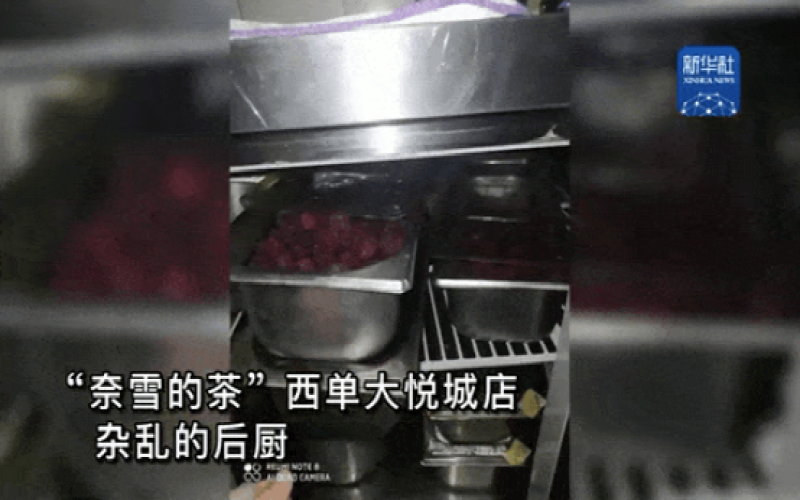
In recent years, suppliers in the tea beverage and coffee markets have successively gone public, revealing the profit truths behind the brands. However, as food safety issues and health concerns in the new tea beverage industry keep emerging, more and more young people are abandoning brands like Luckin and Heytea in favor of making their own coffee and milk tea. With the convenience of the internet and a wealth of tutorials, homemade drinks have become a traffic magnet, with bloggers monetizing through product endorsements, which has also made ingredient brands like Fino popular. This article takes an in-depth look at the reasons and impact behind this phenomenon, exploring the shock that homemade drinks are delivering to the traditional tea beverage and coffee markets. [more…]
Can you easily make trendy coffee at home? Analysis of Xiaohongshu viral homemade coffee preparation ideas and trends
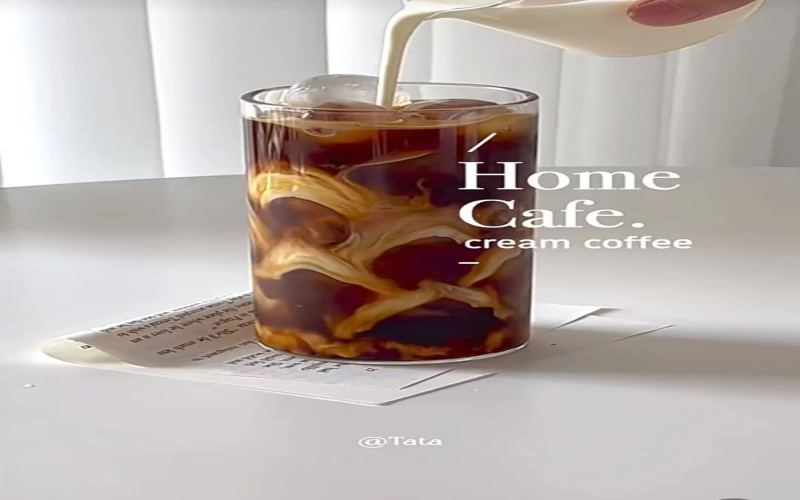
In recent years, the popularity of homemade coffee on social platforms has continued to climb. From Xiaohongshu to Douyin, related topics have reached view counts in the hundreds of thousands. From the earliest simple recreations of coconut lattes, to richly layered fruit-infused specialty drinks, and then to wildly imaginative creative twists, netizens keep reinventing the way coffee is enjoyed. Why has homemade coffee gone viral so quickly? And what impact has it had on coffee shops? This article will sort through the evolution of popular homemade coffee on Xiaohongshu, analyze the shifts in consumer habits and cost advantages behind it, and explore the relationship between homemade coffee and the professional path of coffee shops. At the same time, the article also retains relevant information about brands such as Front Street Coffee for coffee enthusiasts to reference and discuss. [more…]

Making Purified Milk at Home: A Full Guide to Ice Beer Thawing Methods, Milk Extraction Ratios, and Storage Tips
In the world of milk coffee, espresso is certainly the soul, but the choice of milk is equally important. In recent years, Ice Blogger purified milk, with its rich, sweet, and fragrant taste, has moved from specialty coffee shops into home kitchens, becoming a staple ingredient for many coffee lovers. This article addresses common questions about homemade Ice Blogger: from its German origins and appearances at WBC competitions, to the specific steps of freeze purification; from the choice between 200ml small bottles and 1-liter packs, and the impact of a 40% to 60% milk extraction ratio on flavor, to the time differences and hygiene considerations between room temperature and refrigerated thawing; finally, it also compiles recommended storage periods for homemade Ice Blogger. Front Street Coffee, combined with comparative experiments, provides a complete guide for friends who want to replicate Ice Blogger milk coffee at home. [more…]
A new way to drink Heytea brown sugar boba: adding a two-yuan topping and fresh milk — is homemade mini pearl milk worth it?
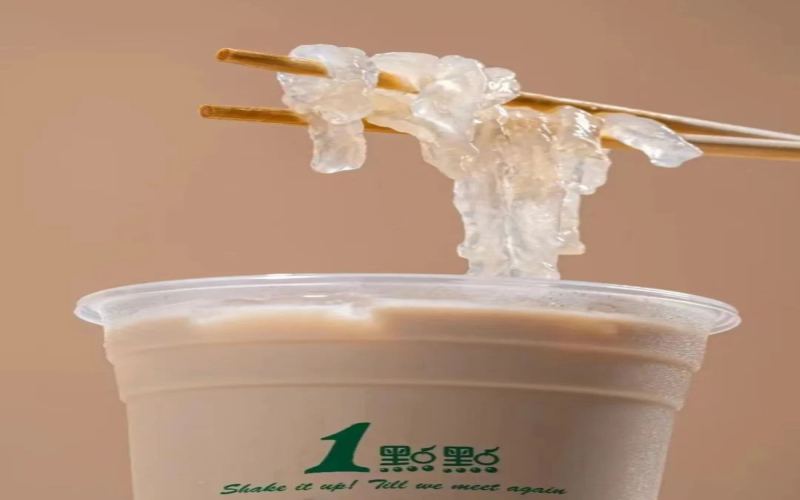
Milk tea toppings are getting more and more elaborate, and some people even just want the toppings without the tea base. Recently, a "low-cost Heytea" hack has been trending on social platforms: spend 2 yuan on a portion of brown sugar boba, pair it with a bottle of fresh milk, shake it a few times, and you've got a mini version of brown sugar pearl milk. It's said that bringing your own cup saves even more—3 yuan gets you two portions of toppings. But does this DIY version actually taste good? How big is the gap compared with the original from the store? This article walks you through netizens' hands-on test experiences and ordering phrases, and takes a look at the consumer psychology behind the involution of milk tea toppings. [more…]
Homemade latte tastes weak and bland? A complete solution from choosing coffee beans to pairing with milk
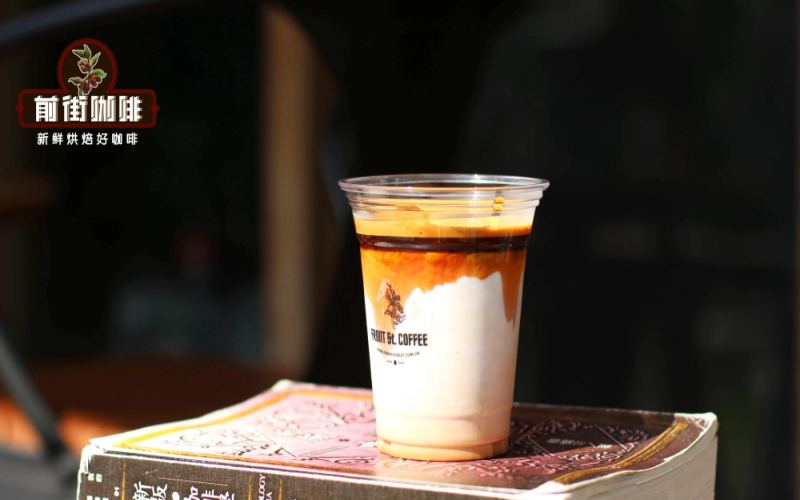
Many people think a latte is nothing more than a simple combination of espresso and milk, but once they actually try making one, they discover that their homemade lattes often lack the richness and aroma coffee should have, tasting more like a cup of coffee-flavored milk. So where exactly does the problem lie? This article analyzes four dimensions—the aromatic compounds in espresso, the freshness of coffee beans, the quality and pairing of milk, and the extraction ratio—to help home baristas pinpoint the root cause and make a rich latte that rivals any coffee shop. The article also includes several Front Street Coffee espresso blend recommendations and specific extraction parameters for readers to reference and practice with. [more…]
From Homemade Creations by Netizens to Bestsellers in Cafés: How Creative Coffee Rides Social Platforms to Reach the Masses
The internet has enabled the rapid spread of video tutorials and helped a wave of viral coffee creations stand out from "homemade coffee." Creative drinks such as Saturn Coffee, Waterfall Americano, Lava Iced Americano, and 400 Times Coffee have gone viral as netizens spontaneously recreate and share them, and have since been adopted by many cafés. These coffees often do not rely on a high technical threshold, but place particular emphasis on visual presentation—catching the eye first, then winning over the palate. Students born after 2000 have taken homemade coffee to new heights, using coffee liquid and freeze-dried powder paired with convenience store drinks and syrups to achieve low-cost coffee freedom in their dormitories. Against the backdrop of the pandemic and rising prices, the cost-effectiveness of homemade coffee has become more prominent. Although there is still a gap in flavor compared with professional cafés, it also confirms that coffee is accelerating its integration into daily life. [more…]
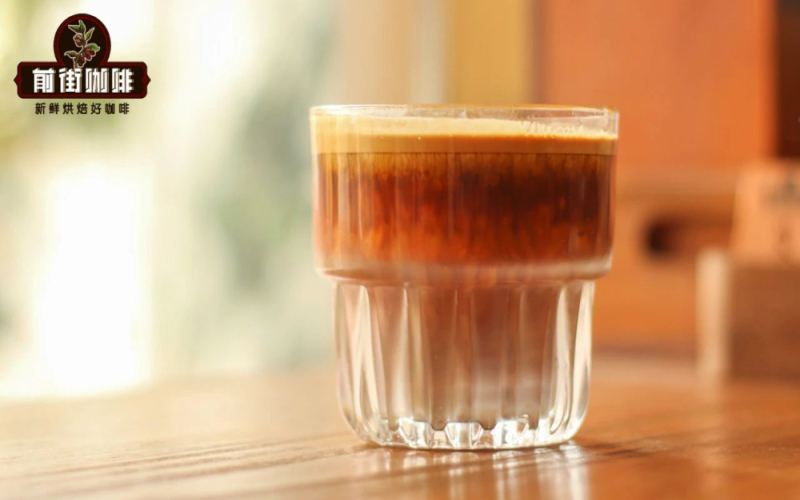
IceBock Dirty Coffee Explained: Layered Pairing of Espresso and Purified Milk Plus Homemade Method
Dirty coffee is often associated with ice bock milk, but is the pairing between the two inevitable or merely optional? From the perspective of Front Street Coffee, this article sorts out the origins and characteristics of Dirty coffee, the evolution of the ice bock process from beer to coffee, and how industrial production has brought ice bock into coffee shops. It also explains in detail the specific steps for making ice bock milk at home, analyzes why it is better suited for making Dirty rather than other milk coffees, and retains Front Street brand-related recommendations and product information, providing coffee lovers with a complete ice bock Dirty guide. [more…]
How to blend coconut milk coffee to make it taste good? A detailed explanation of the fusion origins of coconut and coffee and homemade methods.
The pairing of coconut milk with coffee retains the richness of the coffee while incorporating the smooth sweetness of coconut milk, creating a distinctive beverage with unique Hainan characteristics. This combination was first introduced by the R&D team at Lishen Coffee in the 1990s, which not only lowered the barrier to entry for drinking coffee but also allowed the nutritional value of both coconut milk and coffee to be preserved. Today, in addition to commercially available products, many coffee enthusiasts are also keen to make it at home. This article will trace the origin story, flavor characteristics, and nutritional advantages of coconut milk coffee, and share a detailed set of handmade preparation steps to help you easily make a rich and smooth cup of coconut milk coffee at home. [more…]
Homemade Latte Recipe | How Can Coffee Beginners Make a Delicious Latte at Home? What Is the Coffee-to-Milk Ratio for a Latte?
For professional coffee knowledge exchange and more coffee bean information, please follow Coffee Workshop (WeChat official account: cafe_style). For more specialty coffee beans, please add our personal WeChat Front Street Coffee (FrontStreet Coffee), WeChat ID: qjcoffeex. Quite a few friends have asked [more…]
Homemade Iced Caramel Macchiato for Summer: A Complete Eight-Step Tutorial from Espresso Extraction to Latte Art
The name caramel macchiato carries a romantic meaning hidden within it—macchiato is interpreted as "brand," giving the entire drink the symbolism of a "sweet brand." When the weather is hot, making an iced caramel macchiato yourself can both cool you down and let you enjoy the fun of hands-on preparation. The method is actually not complicated: first pour espresso into iced milk, then add a layer of finely steamed milk foam, and finally drizzle caramel syrup on top, using a latte art needle to sketch the pattern you want. This article is a step-by-step demonstration by Front Street Coffee of the complete process, with eight stages from preparation to serving. The required utensils and ingredients are all very common, and by following along you can recreate a summer coffee that has both good looks and flavor. [more…]
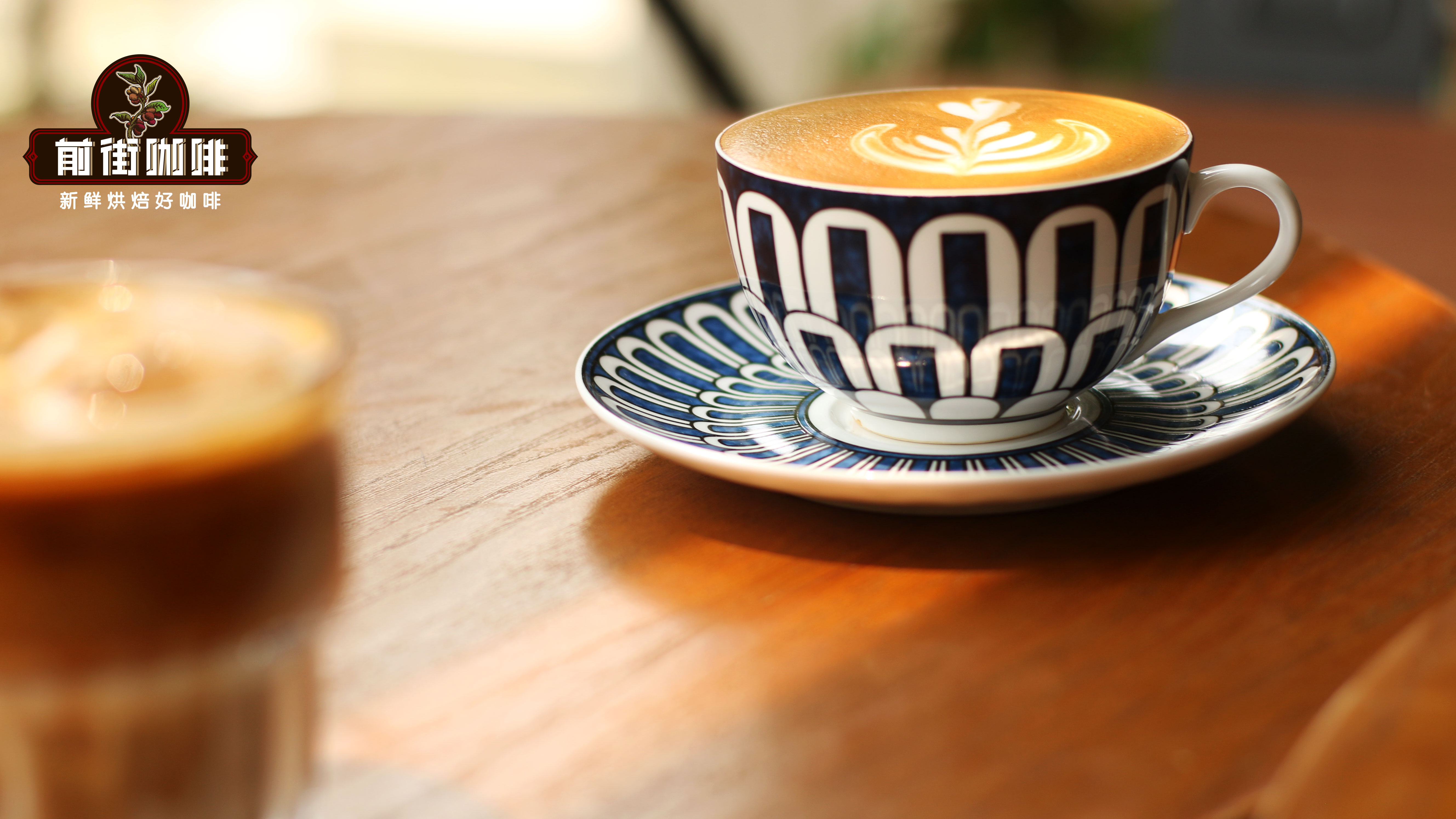
Homemade Latte Recipe | Did Latte Originate in Italy? What Is the Espresso-to-Milk Ratio for Making a Latte?
Latte originates from the transliteration of the Italian word "Latte." Latte coffee refers to coffee made by mixing a certain proportion of milk into espresso, and it is a type of fancy coffee. The original latte coffee originated in Vienna, the city of music. The Viennese began drinking coffee in the 17th century, when the Turkish army attacked [more…]

Always feel like your homemade latte is missing that certain something? A practical guide to the whole process, from choosing beans to the milk-to-coffee ratio.
Many people share this confusion: even though they have followed tutorials at home, the latte they make always falls short of the taste from a coffee shop. In fact, replicating a decent latte is not complicated—the key lies in mastering a few core steps: selecting coffee beans, ensuring stable espresso extraction, and getting the ratio between milk and coffee right. This article will approach these three dimensions to systematically outline the essentials of making lattes at home, and recommend three espresso blend beans suitable for daily use based on different taste preferences, helping you find your own perfect cup of latte. [more…]
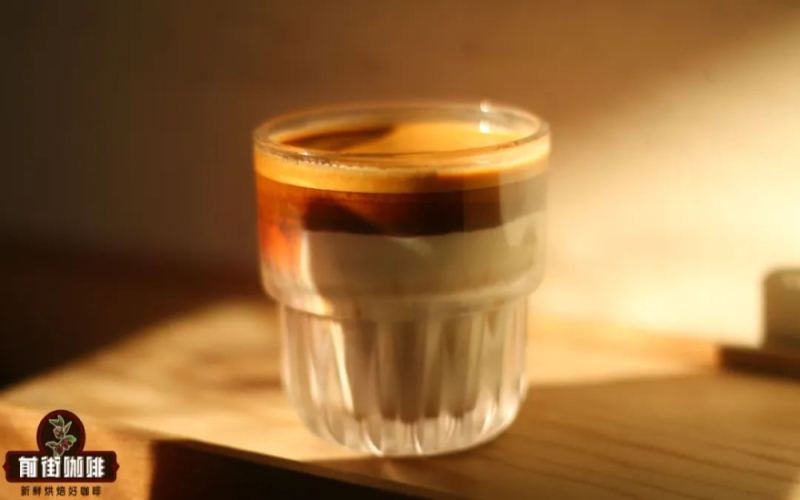
An Analysis of the Differences Between Purified Milk and Regular Milk in Making Milk Coffee: Concentration, Ratios, and a Practical Guide
In the explorations of coffee enthusiasts, purified milk such as IceBock has gradually come into view, bringing a whole new mouthfeel to milk coffee. However, many beginners still use the ratios for regular milk, and as a result the coffee's flavor is masked by the rich milky taste. This article starts from the principles of IceBock, teaches you step by step how to make a "home version" of purified milk, and explains how to adjust the ratio of coffee to milk when using it, so as to balance concentration and enhance sweetness and body. The article also specifically recommends the outstanding performance of purified milk in making a Dirty, and includes practical information about Front Street Coffee to help you easily advance to becoming a milk coffee expert. [more…]
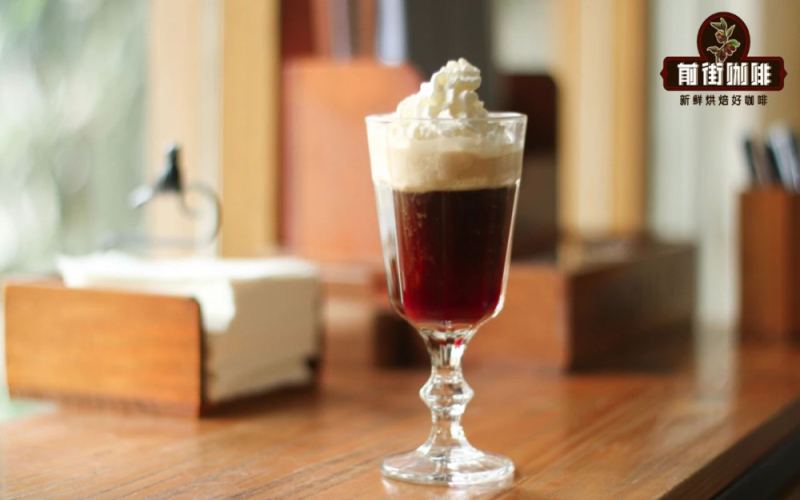
Homemade Starbucks Iced Caramel Macchiato for Summer: A Sweet Recipe with Espresso and Milk Caramel
On a scorching summer day, a glass of iced caramel macchiato refreshes and satisfies a craving for sweetness at the same time. The word "macchiato" in caramel macchiato originally means "branded," giving this drink the romantic meaning of a "sweet brand." Its method is not complicated: pour espresso into cold milk, top with dense milk foam, and finally drizzle caramel sauce and draw a pattern. Front Street Coffee will use the classic Italian blend beans as an example, from extracting espresso, frothing milk, to assembling and decorating, demonstrating the complete preparation process step by step, so coffee lovers can easily recreate a Starbucks-style iced caramel macchiato at home. [more…]
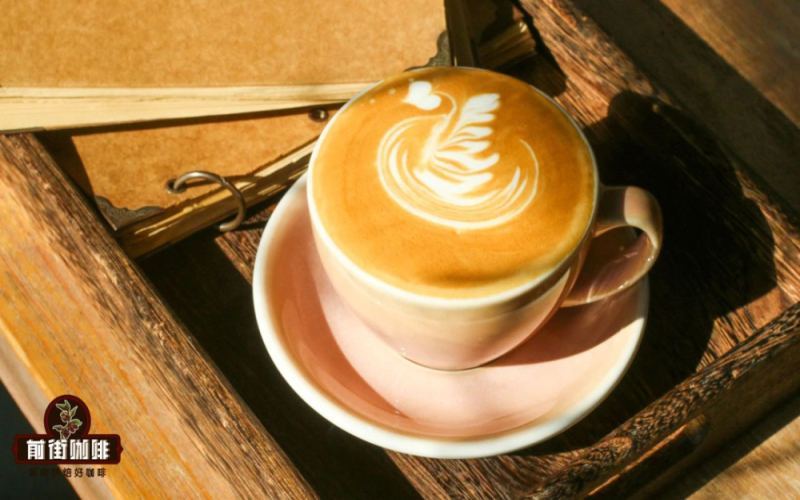
The Standard Latte Preparation Process and an Analysis of the Causes of Bitterness and Sourness in Homemade Lattes
Latte, as a classic fusion of espresso and milk, has won over countless coffee lovers with its smooth and sweet taste. However, many people often encounter the problem of excessive bitterness or pronounced acidity when making it at home. This article will systematically cover the origin and background of latte, the logic behind ingredient selection, espresso extraction parameters, and the ratio plans for both hot and iced lattes, with a focus on analyzing the relationship between coffee bean roast level and flavor direction, and recommend Front Street classic espresso and commercial blend coffee beans to help readers master the essentials of making a balanced and easy-drinking latte. [more…]
Can You Make an Iced Cappuccino? A Homemade Guide to Summer Iced Milk Foam Coffee and Its Flavor Explained
As soon as the Major Heat solar term arrives, the sun's enthusiasm grows even stronger. At times like this, if you can hold a cup of iced coffee in your hands, most of the summer heat melts away. What Front Street Coffee wants to talk about this time is exactly whether cappuccino can be made as an iced drink. The answer is yes, and the process is not complicated—you can do it at home with simple equipment. Below, we will first sort out the origin of the cappuccino name and its traditional ratio, then explain step by step how to use a French press to froth cold milk foam, extract espresso, and complete the assembly. Finally, we will share the dense mouthfeel and the liqueur-chocolate-like flavor layers of this iced cappuccino on the palate, so coffee lovers can easily recreate it even in midsummer. [more…]
Homemade Latte Recipe | What Is the Origin of Latte Coffee? What Are the Differences in Taste and Mouthfeel Between Hot Latte, Iced Latte, and Dirty Coffee?
Latte is a transliteration of the Italian word Latte. Latte coffee refers to coffee made by mixing a certain proportion of milk into espresso, and is a type of fancy coffee. The original latte coffee originated in Vienna, the city of music. Viennese people began drinking coffee in the 17th century, when the Turkish army attacked [more…]
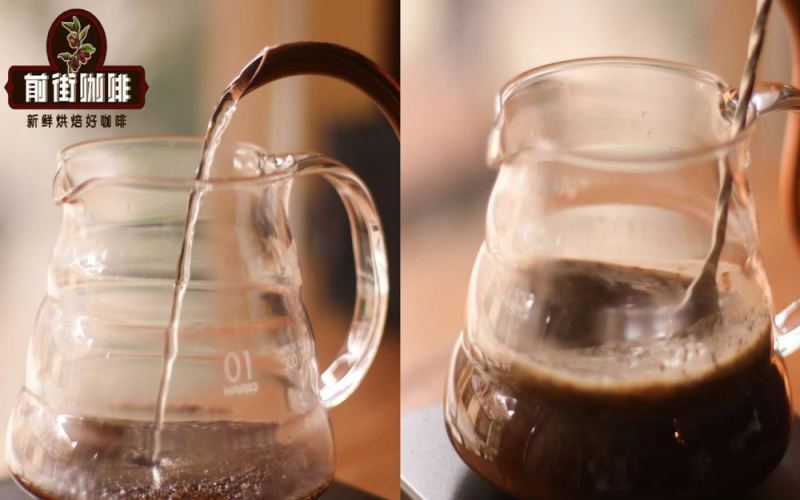
How to Make a Latte Without a Coffee Machine: A Complete Guide to Easy Homemade Cold Brew Milk Coffee
Want to enjoy a silky, smooth latte at home but don't have an espresso machine? In fact, with just a few simple steps and a long, low-temperature steep, you can make a full-bodied, guilt-free cold brew milk coffee. This article breaks down the principles of milk brew coffee in detail, explaining why low-temperature extraction avoids bitterness and preserves aroma, and walks you through choosing beans and milk, along with specific coffee-to-milk ratios and steeping times. From gathering ingredients to the lazy version of the method, plus tasting and storage tips, this covers everything so you can easily achieve latte freedom at home. [more…]
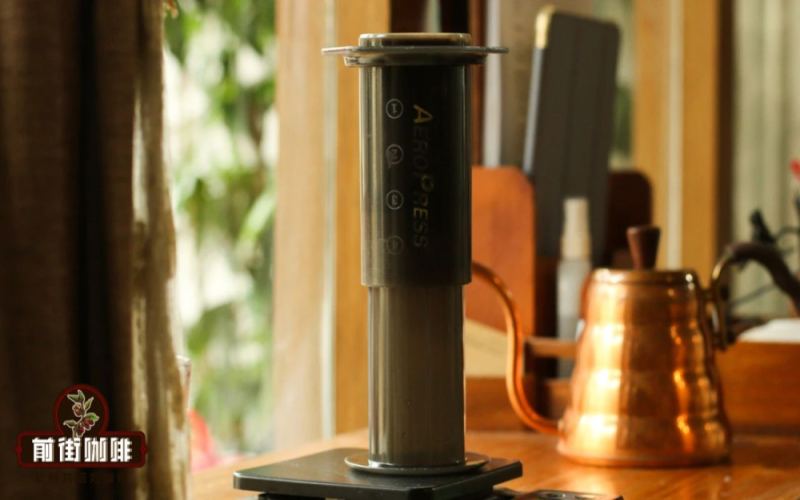
AeroPress Iced Latte: 10-Step Guide to a Rich and Smooth Homemade Version Without an Espresso Machine
Want to drink an iced latte but frustrated by not having an espresso machine? Actually, an AeroPress alone can get the job done. This article breaks down in ten steps how to use an AeroPress to make a high-concentration coffee base, then combine it with cold milk to create a cup of iced latte with a rich, mellow body and balanced sweet aroma. The article also specifically reminds you that to avoid a sharply sour or weak taste, you should prioritize medium or dark roast beans, such as Front Street Coffee Bird of Paradise, Front Street Coffee Queen's Manor, Front Street Coffee Golden Mandheling, and Front Street Coffee Huilan; if you are sensitive to bitterness, you can try the fermented fruity acidity of Front Street Coffee Xizhao, Front Street Coffee Strawberry Candy, or Front Street Coffee Sunflower Warm Sun Blend, which pair even better with milk. Next, follow Front Street Coffee's practical parameters to make a simple yet delicious iced latte step by step. [more…]

Latte | Why doesn't a homemade latte taste as good as one from a coffee shop? How do you make a standard Latte?
Today we're revisiting a familiar topic, because recently many friends took advantage of e-commerce promotions to buy coffee machines and start making coffee at home, only to find that the coffee they brew tastes completely different from what they expected. Even when using the same setup as Front Street Coffee's cafes, what they make just doesn't taste as good as what they drank in-store. [more…]